Documenting an art exhibition after it closes: why it’s never too late
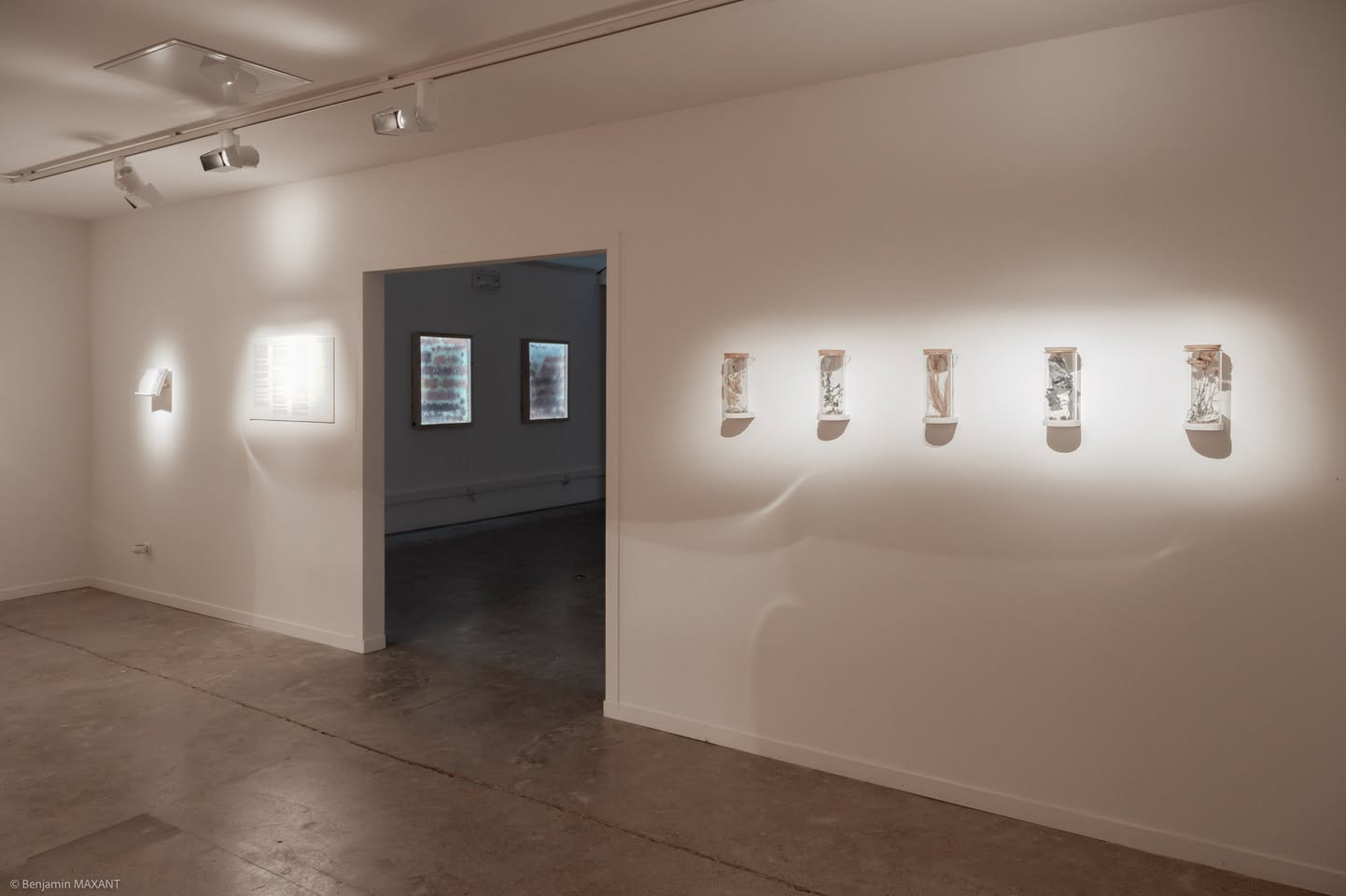
An exhibition lasts a few weeks or months, then disappears, unless it was properly documented. BMAX produced the photo report of the Love Is To Act exhibition by ecological artist Brandon Ballengee, hosted at the CAIRN Centre d’art in Digne-les-Bains, once it had already closed: a less common practice than shooting during the opening, but just as useful for a cultural venue.
In this article:
- Why document an exhibition after it closes
- What it changes for a cultural venue
- Timing, cost, coverage area: your questions
- What to remember
Why document an exhibition after it closes
Many cultural venues focus their visual communication on the opening night: a few photos of the launch, then nothing once the exhibition is open to the public. As a result, once the exhibition is dismantled, often only press visuals and posters remain, with few photos actually showing the layout and staging as experienced by visitors.
For the Love Is To Act exhibition, held from July 22 to October 30, 2022, BMAX stepped in after closing to document the full staging: framed artworks, bell-jar installations, butterfly compositions, and an overall view of the room. This timing allowed full, unconstrained access to the venue.
What it changes for a cultural venue
An art center that documents its past exhibitions builds valuable visual archives over the years: grant applications, activity reports, applications to cultural distribution networks. According to a 2024 study by the Observatoire des politiques culturelles, labeled venues with complete photographic archives of their programming find it 40% easier to document renewal or multi-year grant applications.
Documenting an exhibition after the fact also has a practical advantage: the photographer can take the time needed, without the constraint of visitors or the opening night schedule, to capture the light and staging under the best conditions.
Timing, cost, coverage area: your questions
Does an exhibition absolutely need to be documented before it closes?
No, a report after closing works very well, as long as the layout is still in place. It even avoids the constraint of shooting with the public present.
Does BMAX work with other types of cultural venues?
Yes, museums, heritage sites, performance venues: any structure that needs to document its programming or heritage.
How long does this type of report take?
Half a day is usually enough for a medium-sized exhibition, depending on the number of artworks to document.
What to remember
A closed exhibition isn’t a lost exhibition if it’s well documented. See our full report of the Love Is To Act exhibition at CAIRN and our work for Provence Alpes Agglomeration.
This assignment is part of BMAX’s photography offering, within BMAX Studio.
Une version francaise de cet article est disponible : Documenter une exposition d’art une fois terminee : pourquoi ce n’est jamais trop tard
Do you manage a cultural venue and want to document your programming?
Let’s talk for 30 minutes, BMAX supports cultural and heritage venues across the Alpes-de-Haute-Provence region with their digital communication.